Hotels · Norway · Nordland
Svinøya Rorbuer: red fishermen's cabins under the midnight sun
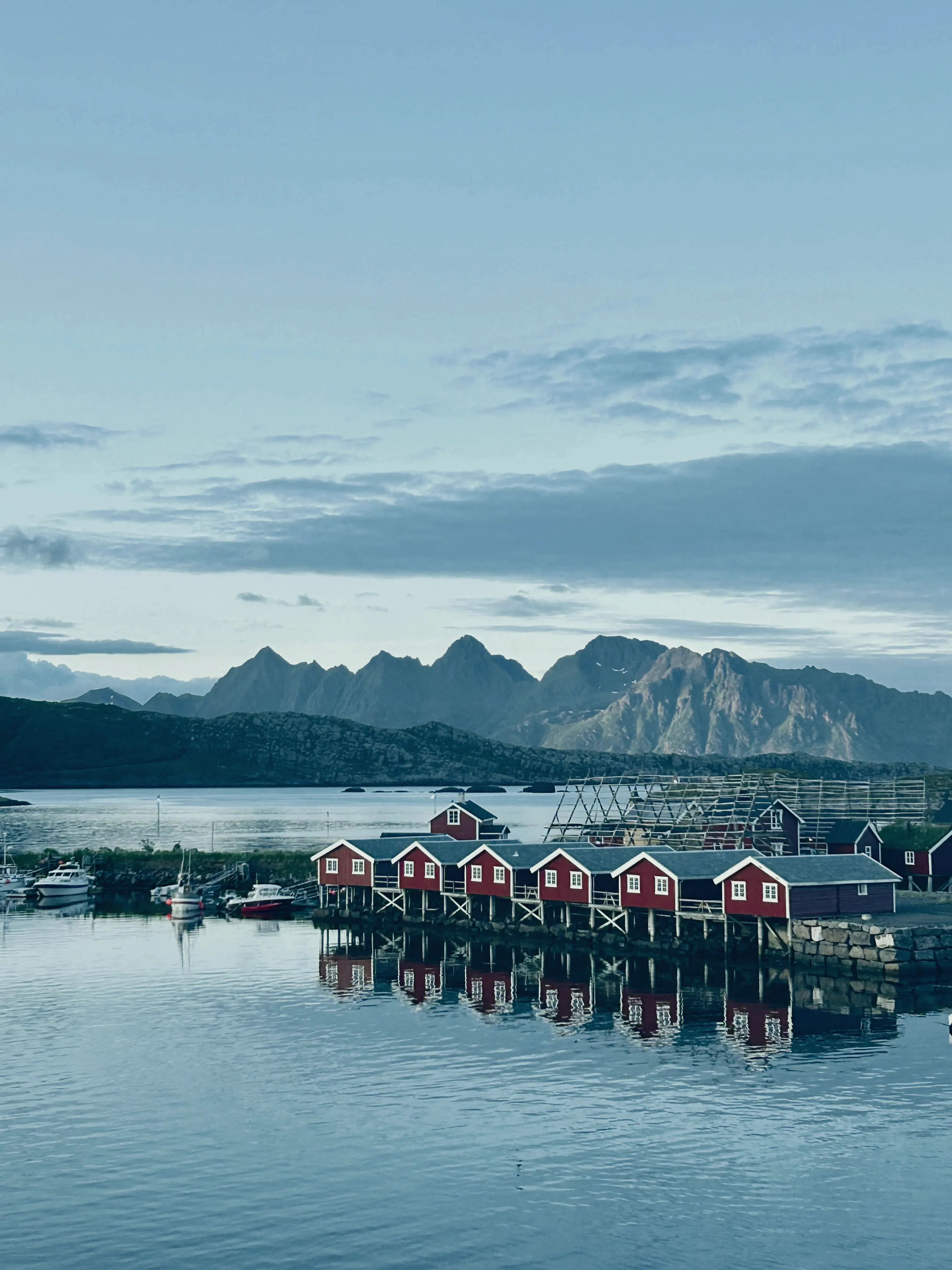
Red cabins on stilts, still water, kayakers gliding past and a walk at midnight in golden light. A family summer in Lofoten, in the place where Svolvær began.
The verdict
For anyone who loves the midnight sun, wild nature and places to stay that are out of the ordinary. Lofoten is a place we return to every summer, and Svinøya is a wonderful base.
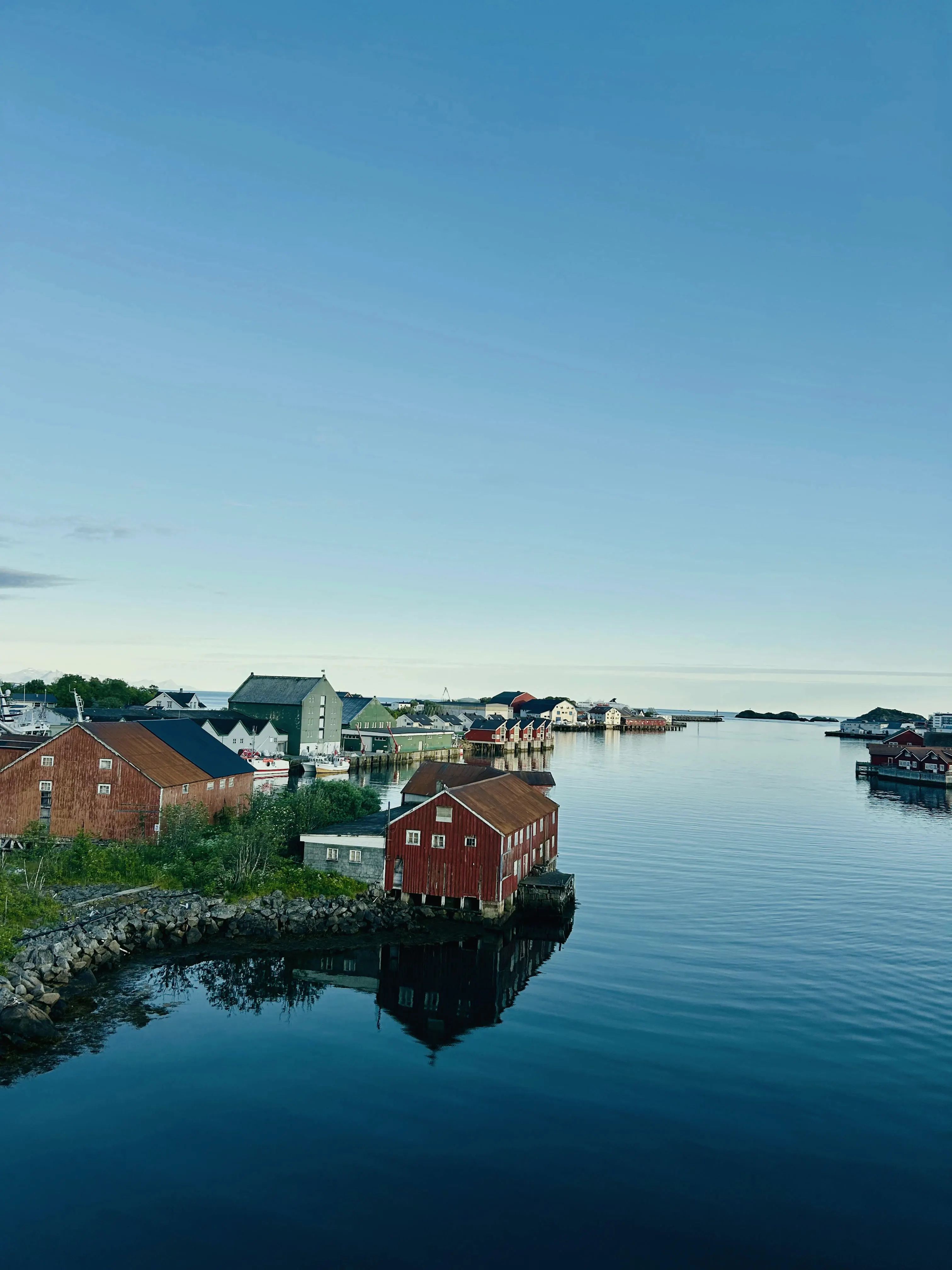
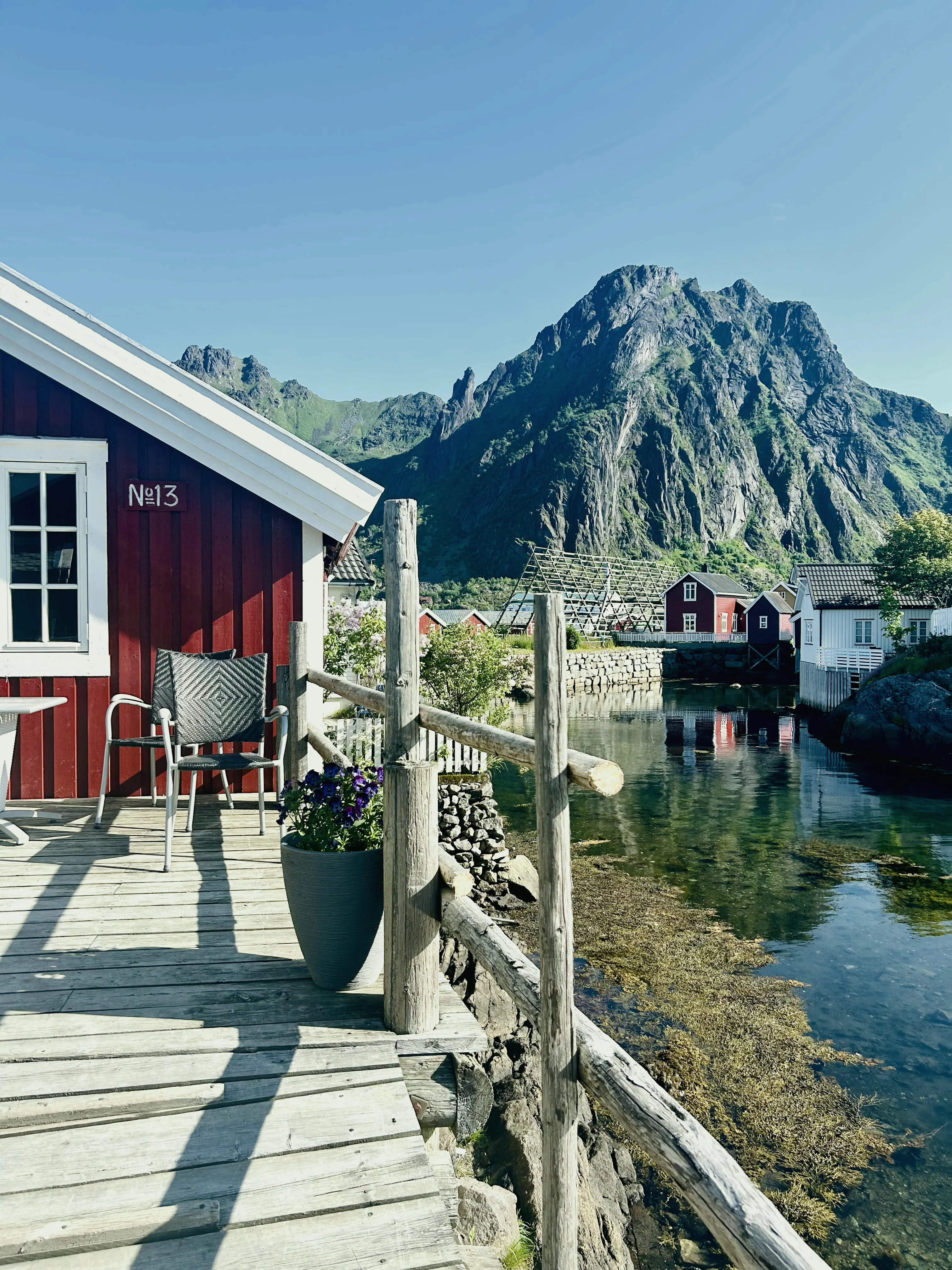
The water outside our cabin was so still that the red walls and the mountains were mirrored in it. Every now and then a kayaker glided silently past. We could have sat there for hours, and some evenings we did.
We spent two nights at Svinøya Rorbuer in July, the two of us and two of our children, as part of a summer holiday in Lofoten.
What is a rorbu?
A rorbu is a traditional fisherman’s cabin, built on stilts at the water’s edge. For centuries, fishermen from all along the coast travelled to Lofoten every winter for the great cod fishery. They rented these simple cabins near the boats, ate and slept there between long days at sea, and rowed out again before dawn. The name says it all: ro means to row, and bu is a small dwelling.
Svinøya is where Svolvær began. In 1828, a trading post opened here on the little island, and with it came the first shop in Svolvær. The fishing village grew up around it. Today, the old cabins have been restored and new ones built in the same style, and the old shop still stands.
The cabin
On a family holiday in Lofoten, it was wonderful to rent a whole rorbu with plenty of space. Ours had two bedrooms and a comfortable living area, so there was room for all of us, even on the rainy days that are part of any Lofoten summer.
But the best place was outside, on the terrace by the water.
A walk at midnight
One evening, close to midnight, we took a walk around the island. The sun was still up, the light was golden and soft, and the mountains across the water looked almost unreal. It is the kind of light you only get this far north in summer, and it is worth staying up for.
Food and drink
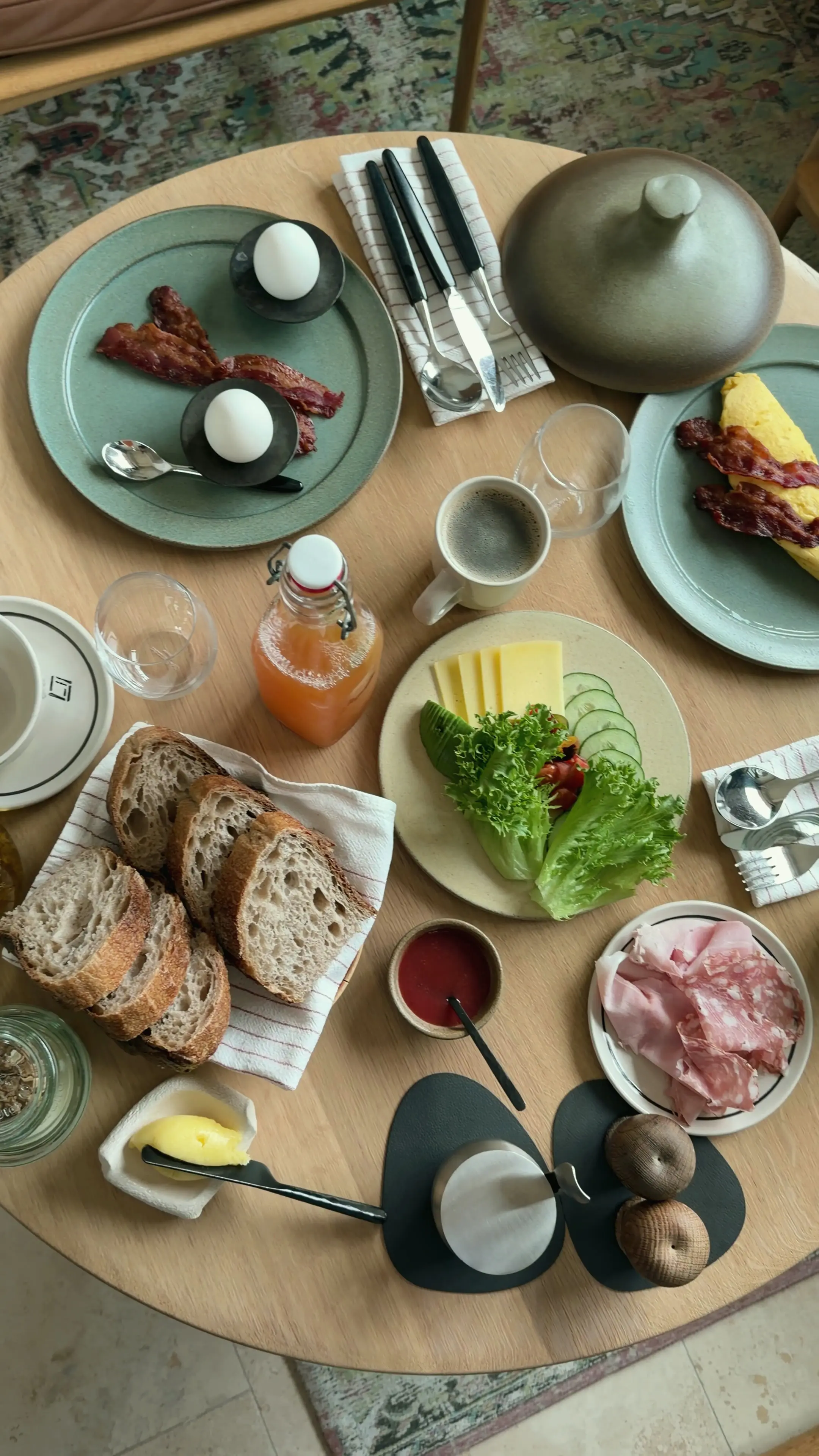
We had a good dinner and a good breakfast at the restaurant. The entrance is set up as a traditional krambu, an old general store, with lovely interior details from days gone by.
Lofoten’s beaches
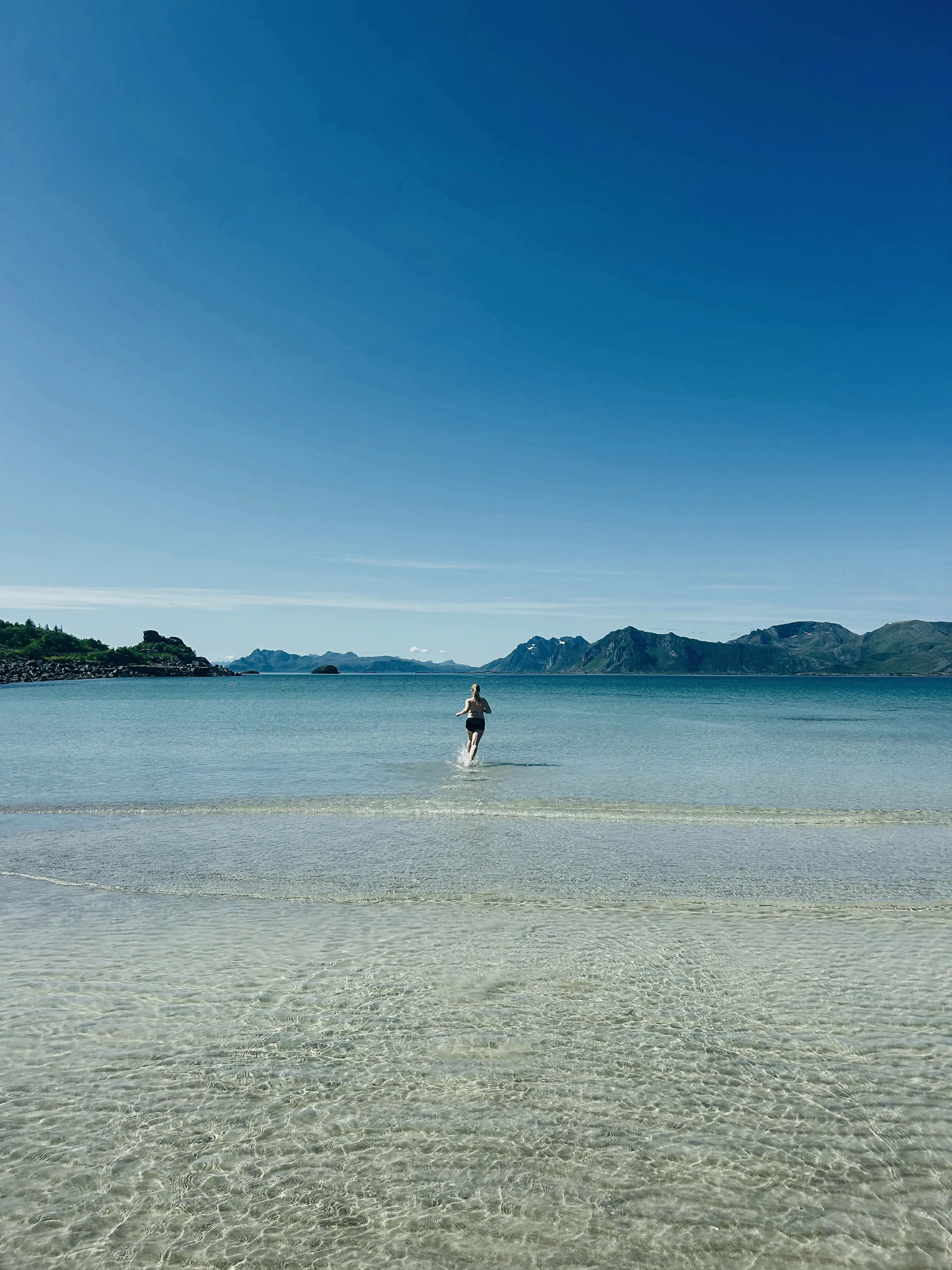
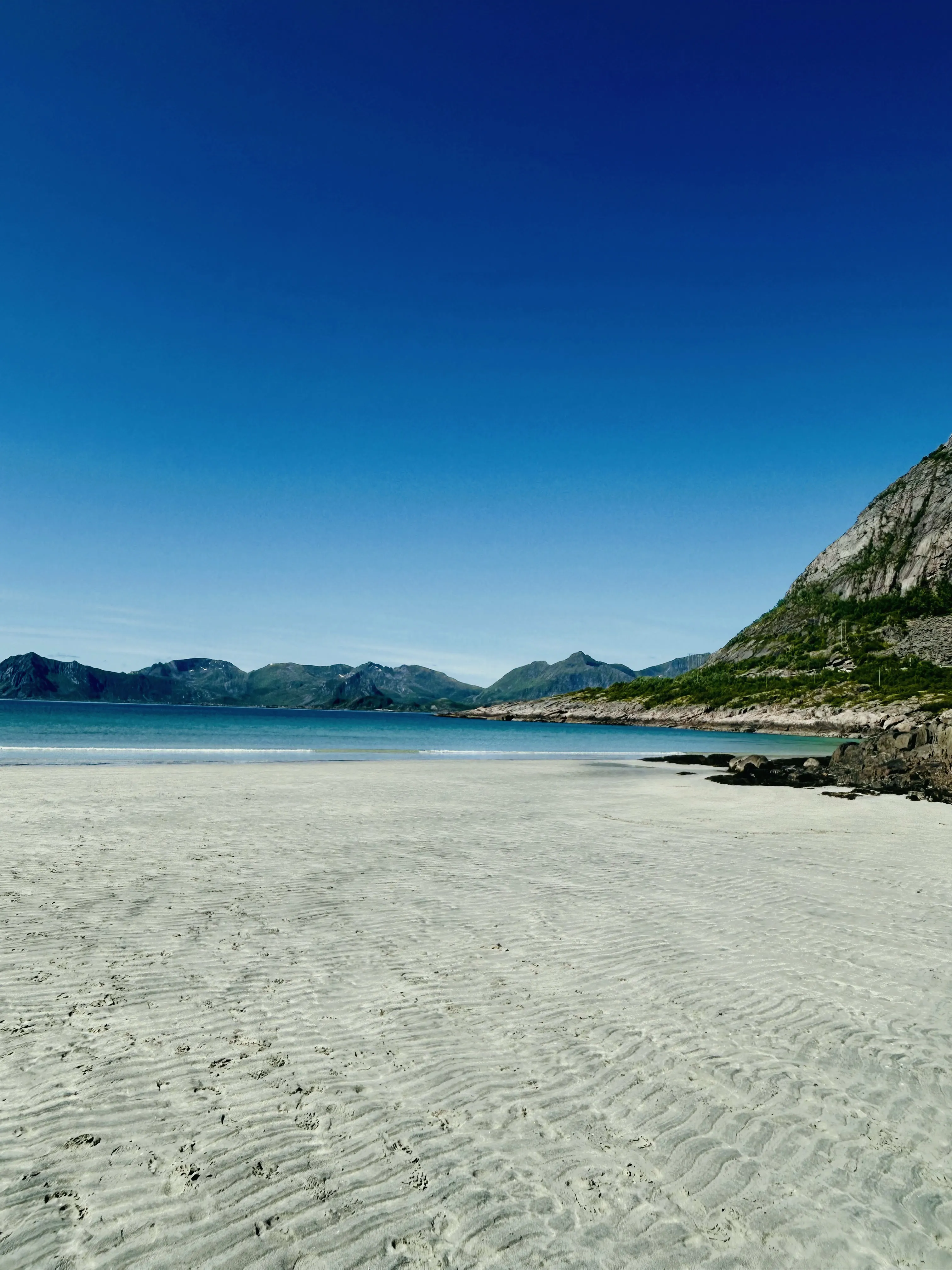
There is no spa or pool, but there is something better: some of the most beautiful beaches in the north. White sand, turquoise water and mountains rising straight out of the sea. It looks like the Caribbean, until you put a toe in.
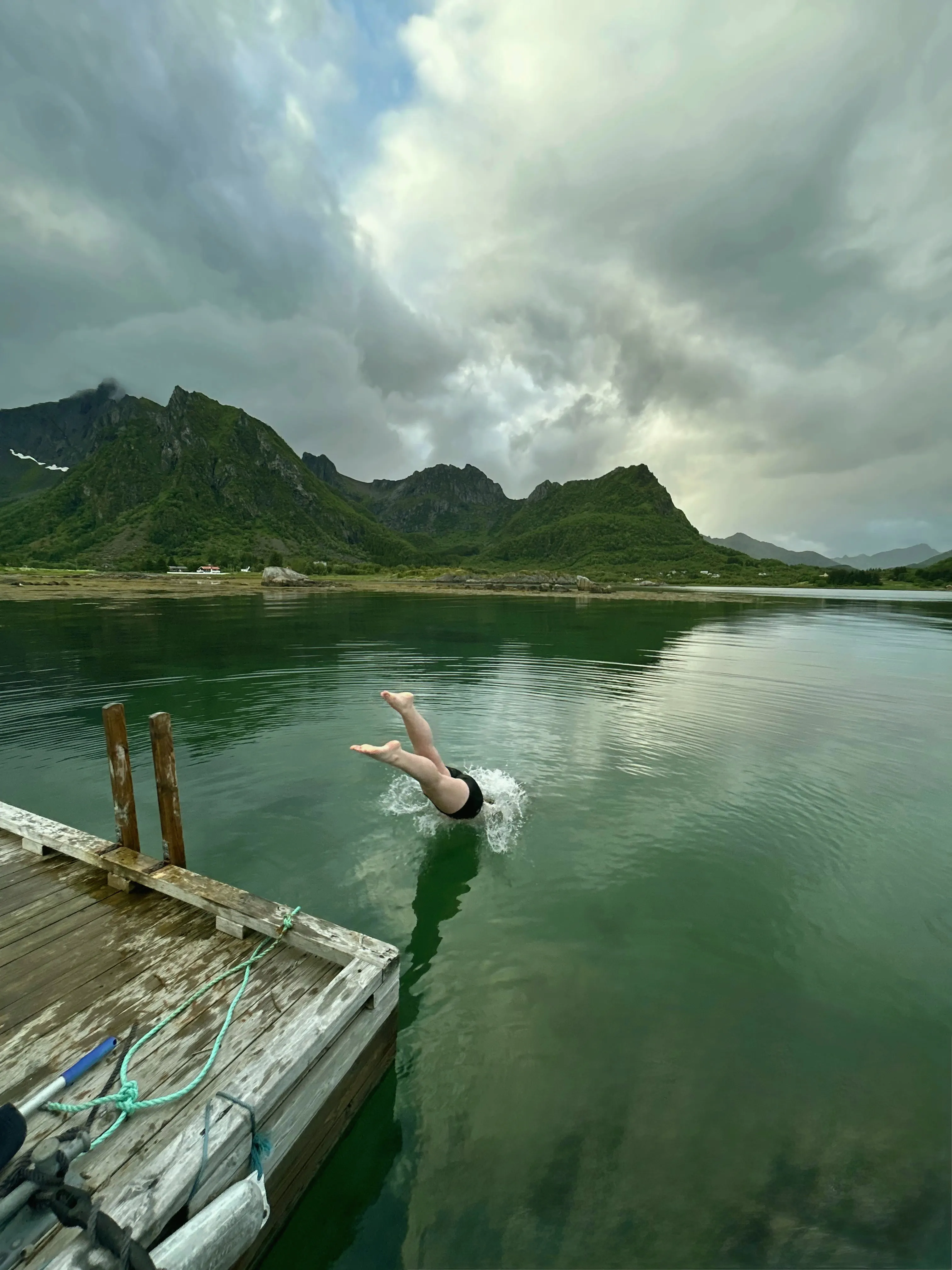
The sea around Lofoten is usually between 10 and 14°C in summer, and it rarely gets much warmer. Bracing, yes. But on a sunny day, a quick dip is unforgettable, as long as you are not afraid of a little cold water.
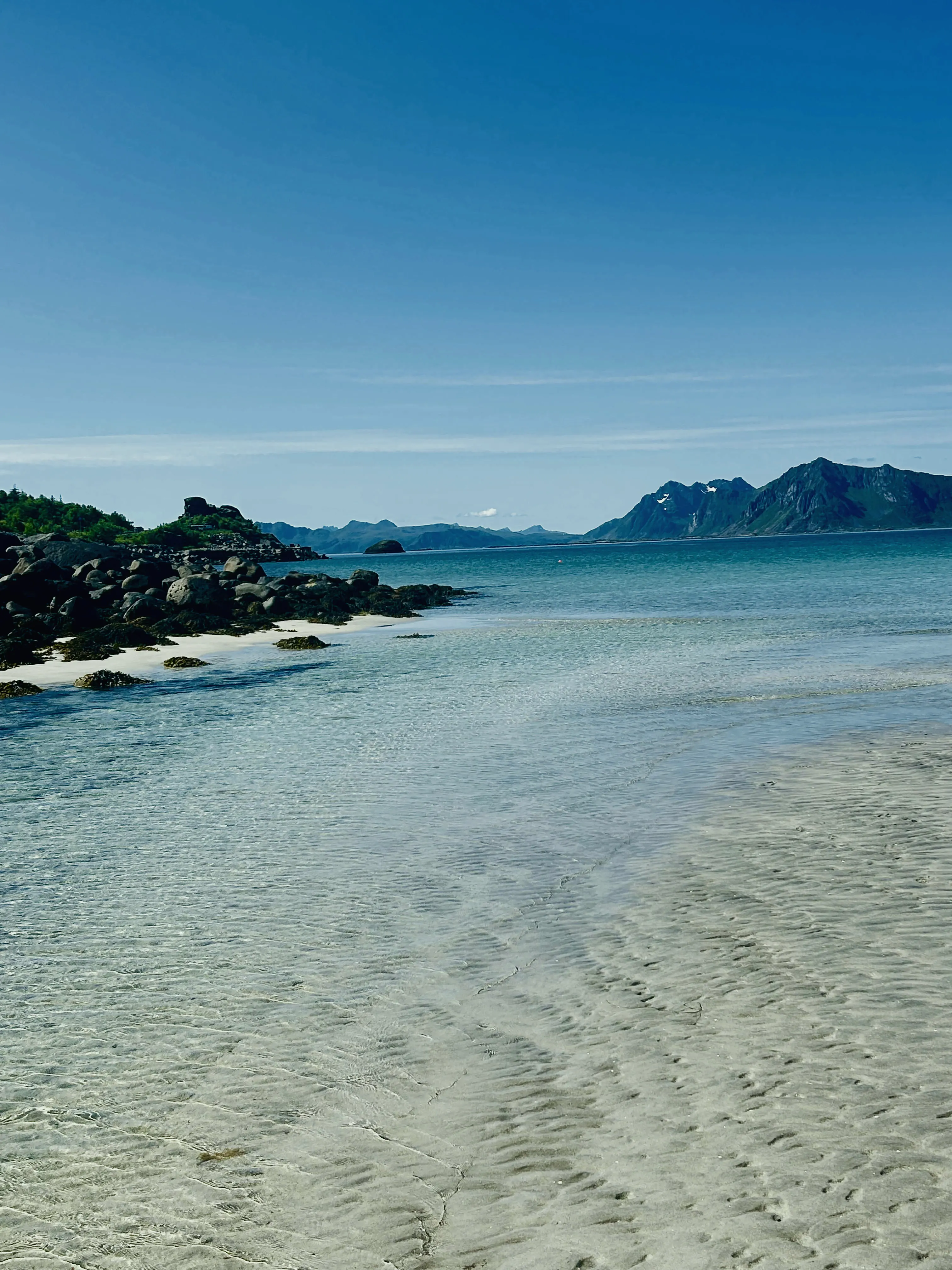
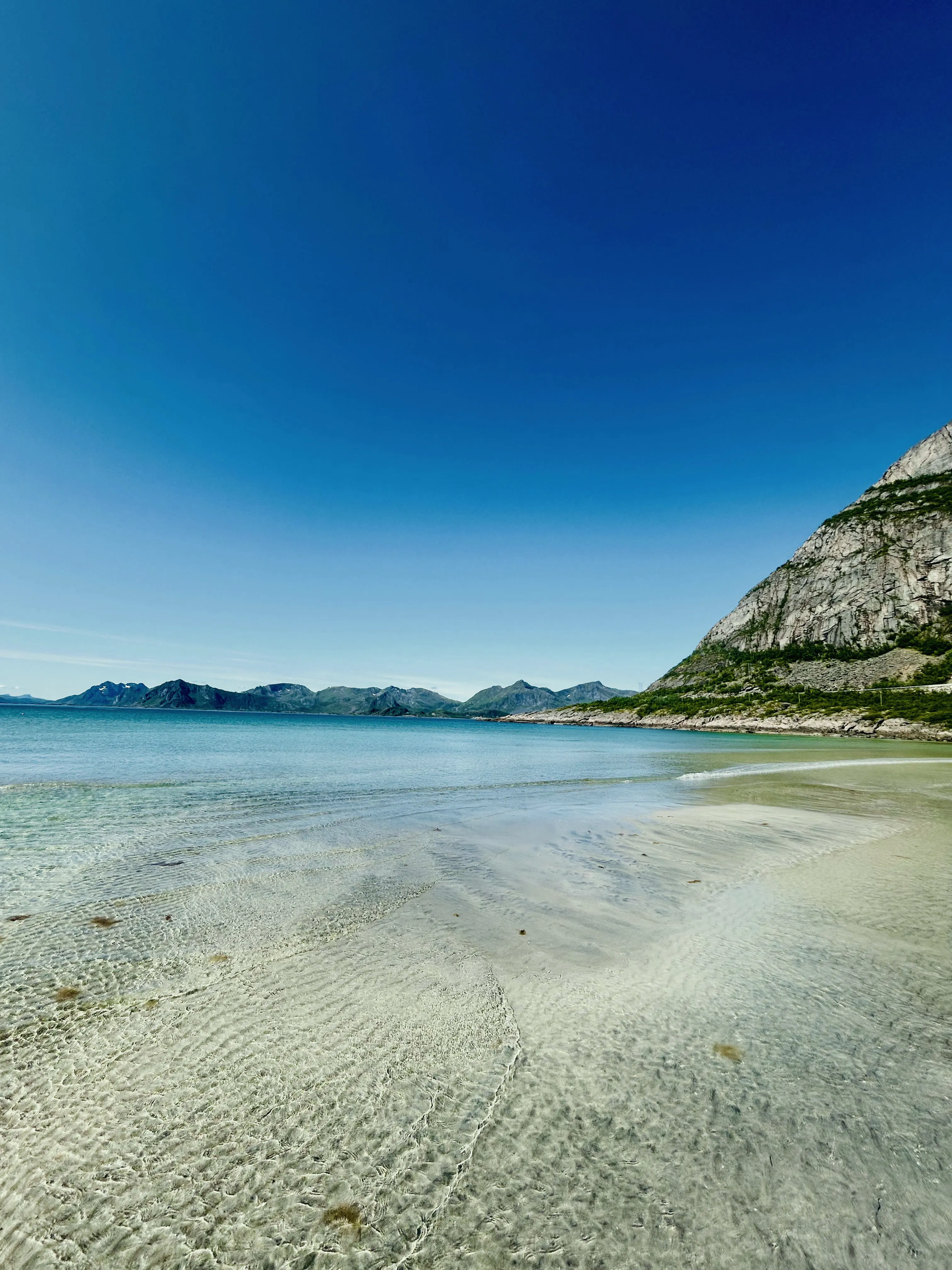
Our favourite was Rørvika, the beach right by the turn-off to Henningsvær, a short drive from Svinøya. There is parking and toilets right by the beach.
What we loved
- Sitting outside the cabin, watching the water, the mountains and the kayakers
- A walk around the island near midnight, in golden light
- A whole rorbu with two bedrooms, perfect for a family
- The old krambu at the entrance to the restaurant
- The white beaches nearby, if you dare to swim
Worth knowing
- Bring a car; it is hard to get around Lofoten without one
- The sea is cold, usually 10 to 14°C in summer
- Lofoten weather changes fast; pack for sun, wind and rain
Good to know
Svinøya Rorbuer suits the whole family. We came by car, and we recommend it: it can be hard to get to Svinøya, and to the rest of Lofoten, without one.
Our best tip: come in summer, and stay up for the midnight sun. Lofoten is one of our favourite places in the world, and we go back every summer.
More stays